Vico Equense
3 min read
Vico Equense
3 min read
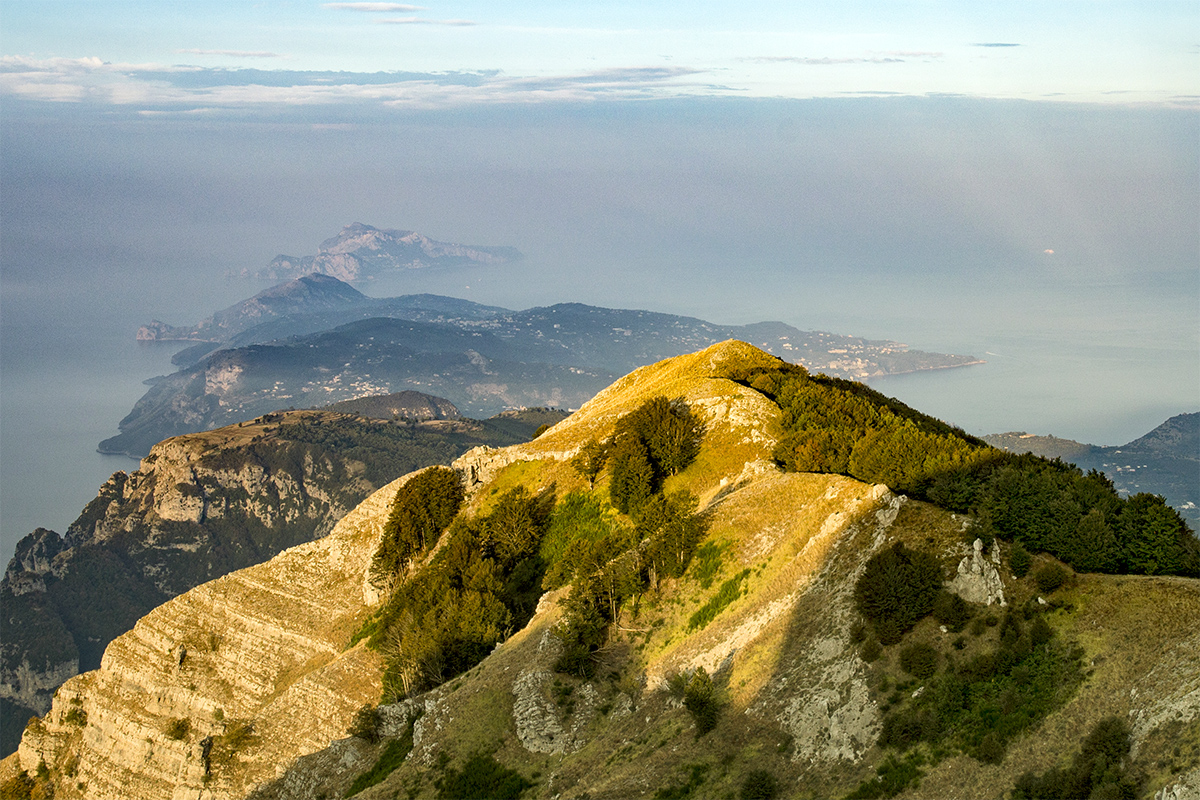
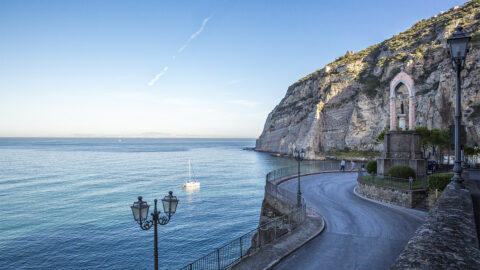
Monte Faito, the most famous peak of the whole Sorrento coast, cannot be missed by nature lovers and trekking enthusiasts.
1400 meters in height, the mountain is the ideal place for all those who want to stroll among the scent of holm oaks and chestnut trees, immersed in unspoiled nature and enjoy the spectacular panoramas that Faito offers: authentic terrace overlooking the sea on the Gulf of Naples.
The territory of Faito, which is part of the Lattari mountain range, is divided between the municipalities of Castellammare di Stabia and Vico Equense.
From Castellammare, it can be reached either via the cable car that departs from the homonymous Circumvesuviana station, or on foot through the path that climbs its way up Quisisana, also called Angel’s Path.
From Vico Equense, you can go by car or take the bus that always leaves from the same Circumvesuviana station, or on foot. Crossing the path that starts from the ancient Via dei Mulini, reaching an uphill road that runs alongside terraces of olive trees and pretty villas and connects with via San Francesco near the cemetery of Bonea and the Convent of San Francesco.
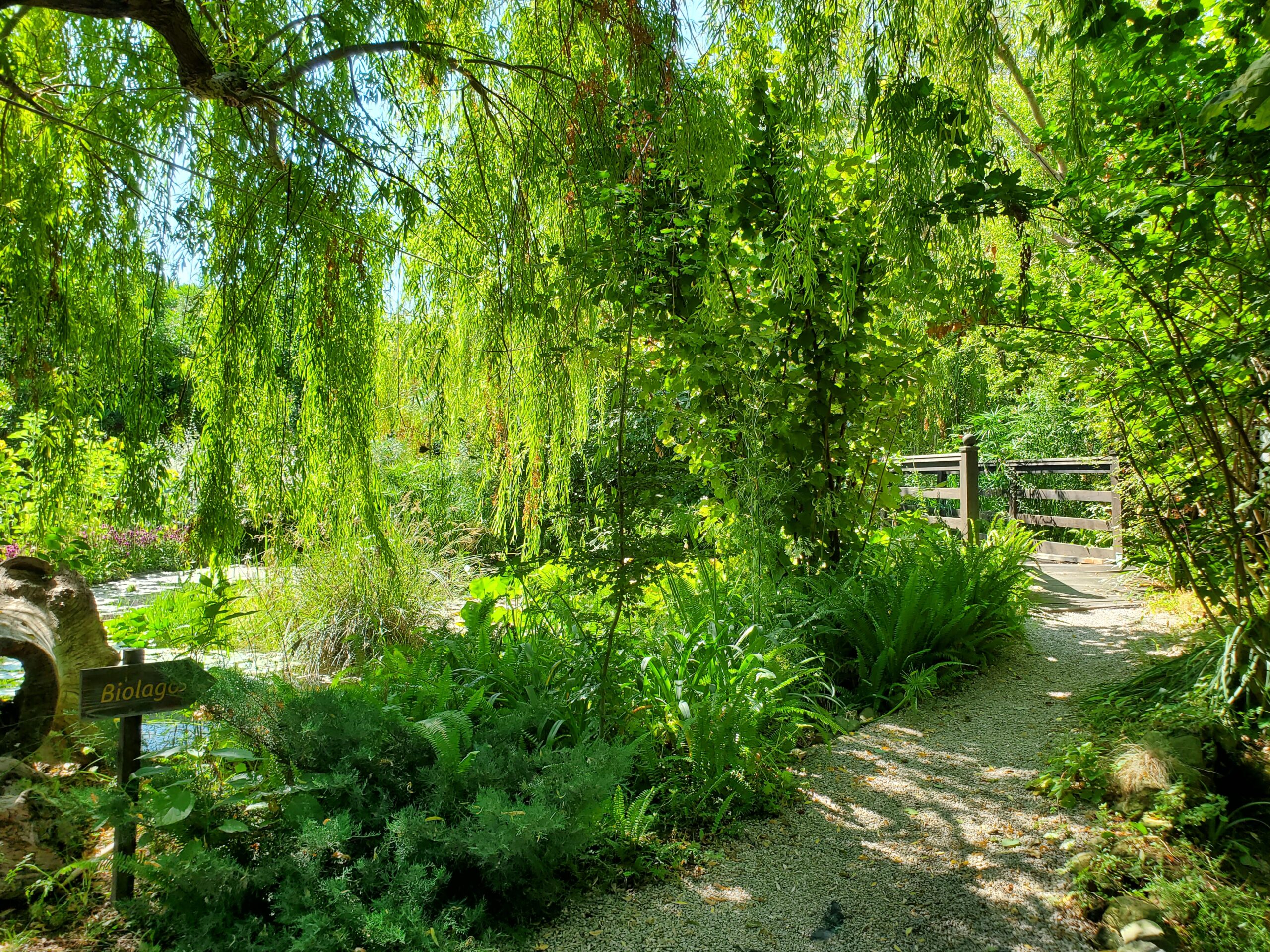
From here, after passing an evocative wooden bridge, the path continues on Via Sperlonga and retracing the path of the ancient Roman aqueduct, it leads further and further up just to turn right in Trina del Monte.
With the sea on the left, you can go up again until you reach the Capo D’Acqua fount and a little later, on a panoramic ridge where there is an ancient shed, you get to the Hermit’s Cross. After a high voltage pylon, you finally arrive at the Belvedere del Faito where the Village is also located.
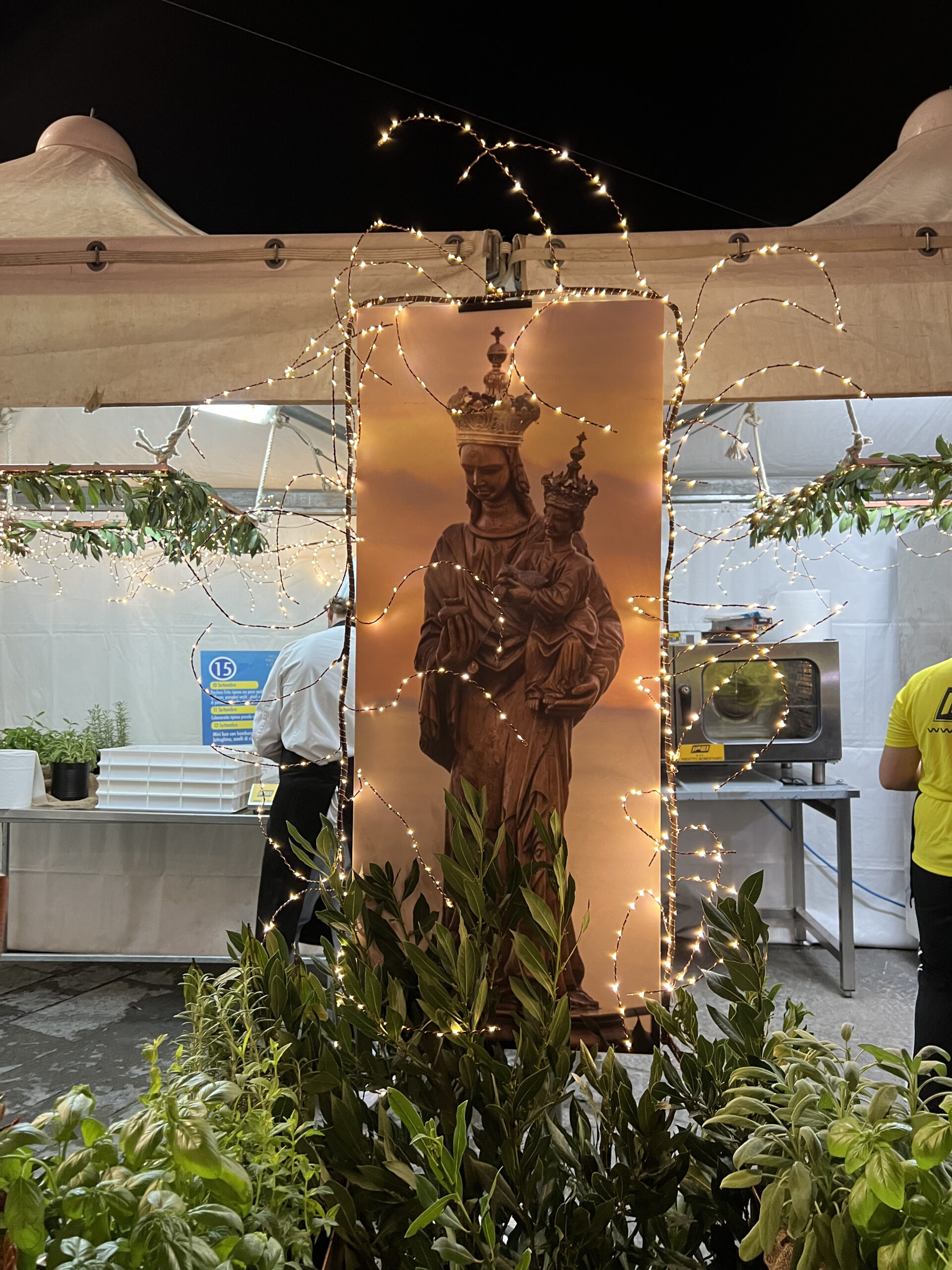
From here following the road Via Nuova Monte Faito, you can also reach another important point of interest of Monte Faito: we are talking about the Sanctuary of San Michele Arcangelo on Monte Faito. With its statue of the Holy Mary of Reception, it represents another incredible belvedere on the Gulf of Naples with Vesuvius in the distance.
Within the area of the Village of Monte Faito, you will also find a sports complex with tennis courts, volleyball courts and swimming pool together with restaurants, bars, hotels and an area equipped with picnic tables.
From Castellammare di Stabia, you can reach Monte Faito by the cable car that leaves from the homonymous Circumvesuviana station, or on foot through the path climbing on Quisisana rise, also known as Angel’s Path.
ATTENTION: the cable car is closed in winter.
From Vico Equense, you can take the bus always starting from the homonymous Circumvesuviana station, by car or on foot through the path starting from the ancient via dei Mulini.
Ropeway timetable:
Morning: 10:00 – 10:20 – 10:40 – 11:00 – 11:40 – 12:00 – 12:40 – 1:00 – 1:40
Afternoon: 2:00 – 2:40 – 3:00 – 3:20 – 3:40 – 4:00 – 4:20 – 4:40 – 5:00
Timetable from July 7 to September 15:
Morning: 8:20 – 8:40 – 9:00 – 9:20 – 9:40 – 10:00 -10:20 – 10:40 – 11:00 – 11:40 – 12:00
12:40 – 1:00 – 1:40
Afternoon: 2:00 – 2:40 – 3:00 – 3:20 – 3:40 – 4:00 – 4:20
4:40 – 5:00 – 5:40 -6:00 – 6:20 – 6:40 – 7:00 – 7:20 – 7:40 – 8:00 – 8:10
For more information please visit the official website of EAV.
Cable car tariffs:
For more information visit the official EAV website.
Tra le mete più ambite e ricercate dagli appassionati di trekking e natura, non può certo mancare il Monte Faito, la montagna per eccellenza di tutta la costiera sorrentina.
Con i suoi circa 1400 metri di altezza, il monte è il luogo ideale per tutti coloro che vogliono passeggiare tra il profumo di lecci e castagni, immersi nella natura incontaminata e godere anche degli spettacolari panorami che il Faito regala; autentica terrazza sul mare ed in particolar modo sul Golfo di Napoli.
Il territorio del Faito, che fa parte della catena montuosa dei Monti Lattari, si divide tra i comuni di Castellammare di Stabia e Vico Equense.
Dal primo può essere raggiunto sia attraverso la funivia che parte dall’omonima stazione Circumvesuviana, sia a piedi attraverso il sentiero che si snoda nella salita di Quisisana, anche detto Sentiero dell’Angelo.
Da Vico Equense, invece, si può prendere l’autobus che parte sempre dall’omonima stazione Circumvesuviana, in auto, oppure a piedi attraversando il sentiero che parte dall’antica via dei Mulini, una stradina in salita che, costeggia terrazzamenti di olivi e graziose villette, si congiunge con via San Francesco nei pressi del cimitero di Bonea e del Convento di San Francesco.
Da qui, dopo aver superato un suggestivo ponticello di legno, il percorso prosegue su Via Sperlonga e ripercorrendo la via dell’antico acquedotto romano, porta sempre più su fino a svoltare a destra in località Trina del Monte.
Con il mare sulla sinistra, si sale ancora fino a raggiungere la sorgente di Capo D’Acqua e poco dopo, su una cresta panoramica dove è presente un antico capanno. si arriva fino alla Croce dell’Eremita e ad un traliccio dell’alta tensione, e quindi finalmente al Belvedere del Faito dove si trova anche il Villaggio.
Da qui seguendo la strada Via Nuova Monte Faito si può raggiungere anche un altro importante punto di interesse di Monte Faito: stiamo parlando del Santuario di San Michele Arcangelo al Monte Faito che con la sua statua della Madonna dell’Accoglienza, rappresenta un altro incredibile belvedere sul golfo di Napoli con il Vesuvio in lontananza.
All’interno dell’area del Villaggio di Monte Faito, troverete anche un complesso sportivo con campi da tennis, da volley e piscina insieme a ristoranti, bar, hotel ed un’area attrezzata con tavoli da pic-nic.
Da Castellammare di Stabia si può raggiungere il Monte Faito attraverso la funivia che parte dall’omonima stazione Circumvesuviana, oppure a piedi attraverso il sentiero che si snoda nella salita di Quisisana, anche detto Sentiero dell’Angelo.
ATTENZIONE: La funivia in inverno è chiusa.
Da Vico Equense, invece, si può prendere l’autobus che parte sempre dall’omonima stazione Circumvesuviana, in auto, oppure a piedi attraversando il sentiero che parte dall’antica via dei Mulini.
Orari della Funivia:
Mattino: 10:00 – 10:20 – 10:40 – 11:00 – 11:40 – 12:00 – 12:40 – 13:00 – 13:40
Pomeriggio: 14:00 – 14:40 – 15:00 – 15:20 – 15:40 – 16:00 – 16:20 – 16:40 – 17:00
Orari in vigore dal 7 luglio al 15 settembre:
8:20 – 8:40 – 9:00 – 9:20 – 9:40 – 10:00 -10:20 – 10:40 – 11:00 – 11:40 – 12:00
12:40 – 13:00 – 13:40 – 14:00 – 14:40 – 15:00 – 15:20 – 15:40 – 16:00 – 16:20
16:40 – 17:00 – 17:40 -18:00 – 18:20 – 18:40 – 19:00 – 19:20 – 19:40 – 20:00 – 20:10
Per maggiori informazioni visita il sito ufficiale dell’EAV.

Tariffe della Funivia:
Per maggiori informazioni visita il sito ufficiale dell’EAV.
Newsletter
Get the events calendar and local guides every month
No spam, only useful content. You can unsubscribe at any time.
We use cookies to improve your experience and analyse traffic. You can accept, reject or choose your preferences. Cookie Policy
Cookies required for the site to work. Always active.
Statistical cookies (Google Analytics/GTM) to understand how the site is used.