Sorrento’s Settlements Throughout History
Stai pianificando il tuo viaggio? Scopri dove dormire in Penisola Sorrentina
Esplora le strutture →

Sorrento’s immense presence of tourism continues to grow, but it turns out that the gravitation towards the peninsula is not new.
Sorrento has always been a desirable place to live, so much so that it has been inhabited by many different cultures and empires dating back to 4,000 BC.
From ancient civilizations to political invasions, the Bay of Naples and surrounding land have been sought after since human presence here.
The earliest human activity detected in the Sorrento area dates to the Gaudo Civilization in 4,000 BC during the Copper Age.
Objects such as flint daggers, ceramics, and tombs have been discovered from this period.
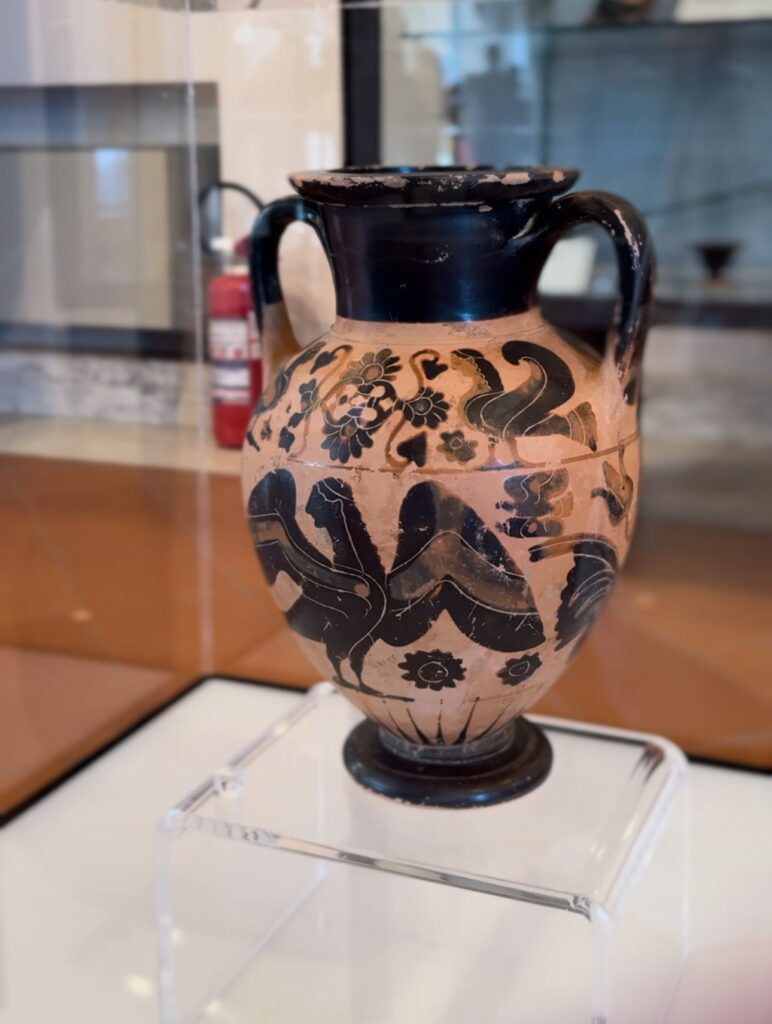
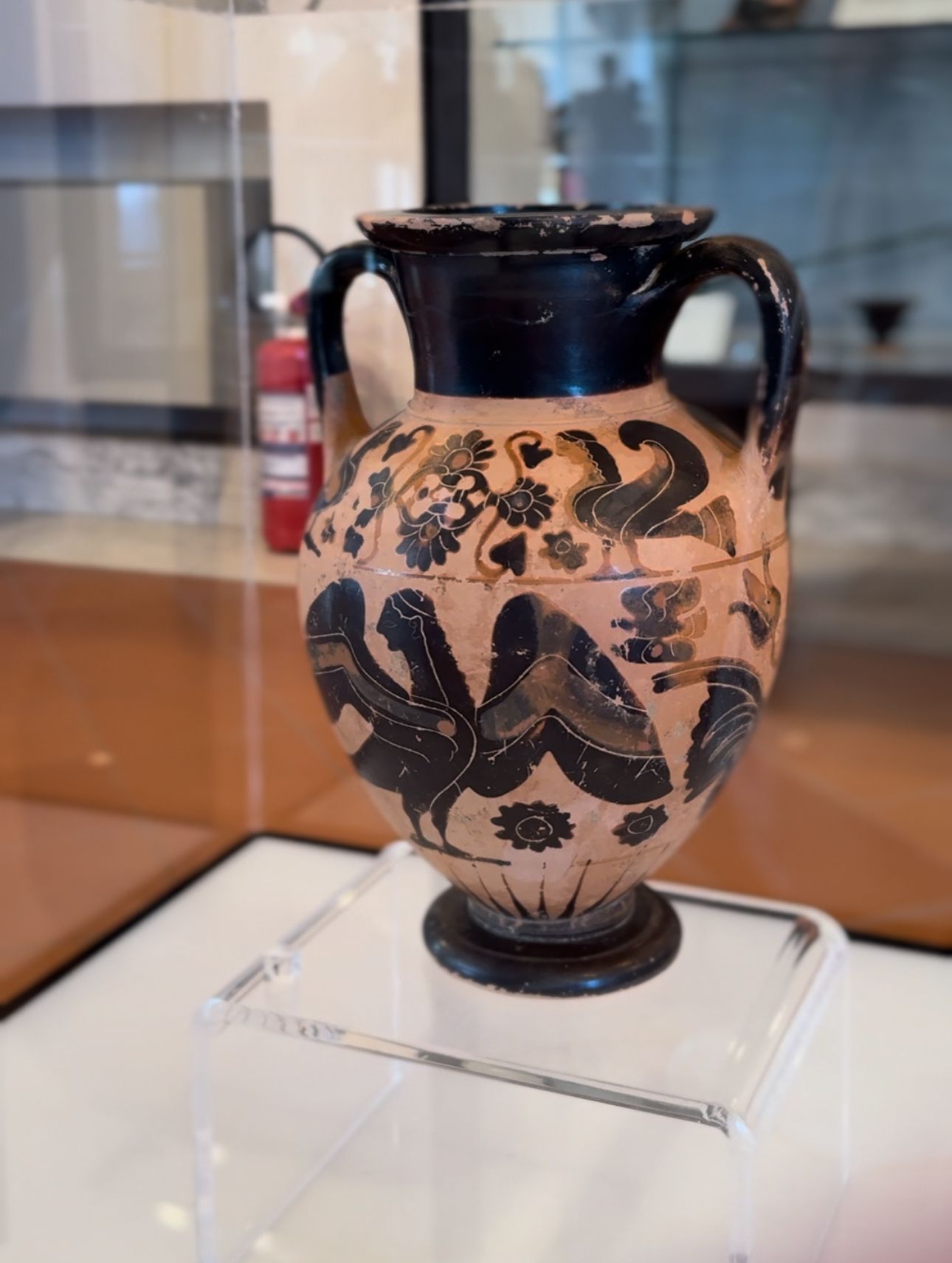
Some of these surviving artifacts remain in the Archeological Museum of the Sorrento Peninsula in Piano di Sorrento – (“Georges Vallet” Museum in Villa Fondi).
There are rooms dedicated to the excavations done in the 1980s and 1990s in Piano di Sorrento, Sant’Agata sui Due Golfi (Massa Lubrense), Sorrento and Vico Equense.
In 600 BC, Greek settlers discovered the Sorrento Peninsula and saw its great potential.
They founded Naples as the important port that remains today. “Naples” comes from ancient greek Νεάπολις – “Neapolis“, “New City”.
Naples became a great military and trading port for the Greeks which turned it into a bustling city as even today it remains the third largest city in Italy.
Grecian presence on the Bay of Naples can be seen today in architecture and even within the origin of the city’s name, but most famously, it is written into many Ancient Greek legends.
The Odyssey is the epic about Odysseus’s venture home from the Trojan War and involves many different legends of the area including the Sirens of Sorrento and Capri.
The Greek city of Naples was overturned to Roman rule in the third century BC with the expansion of the Roman Empire.
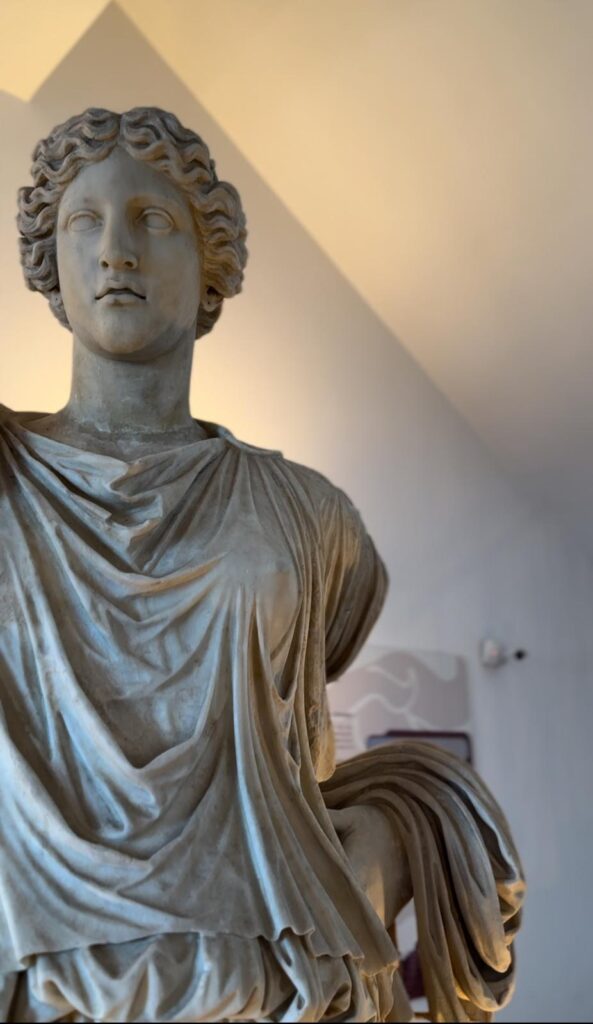
The port of Naples continued to thrive under Roman rule and the Sorrento Peninsula was where the wealthy Romans built holiday villas, which are both reasons for the region’s tourism still in the current day.
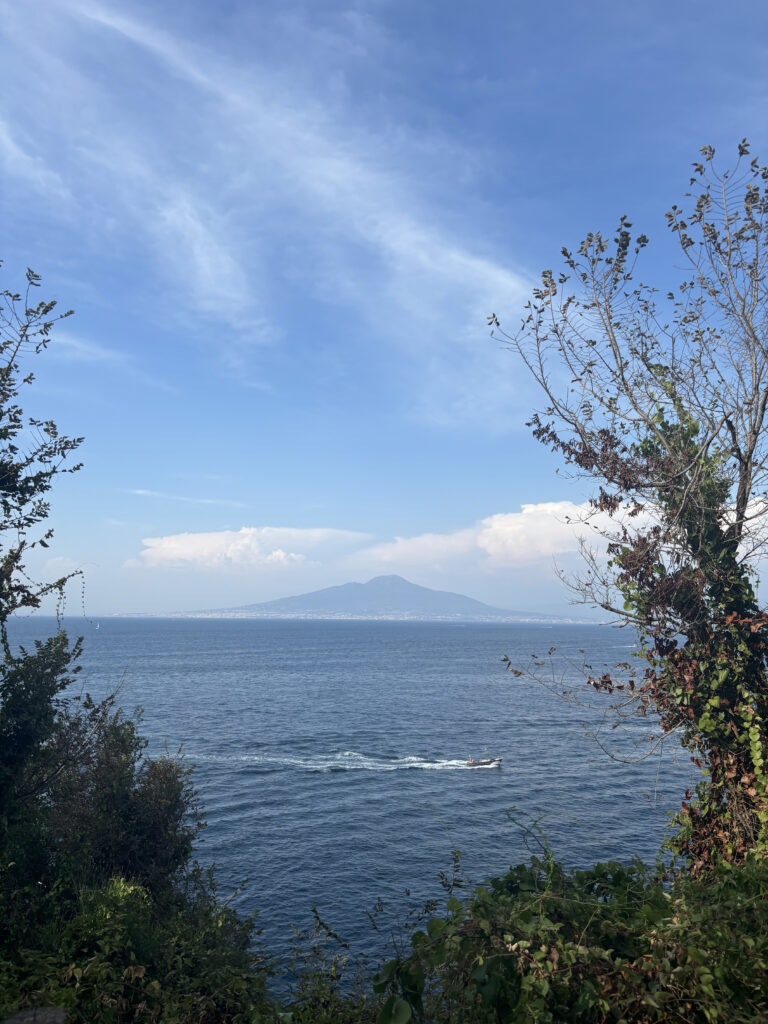
Pompeii and Herculaneum are both Roman civilizations of the region that have been preserved due to Mount Vesuvius’s tragic eruption in 79 AD, though they offer a glimpse deep into the past.
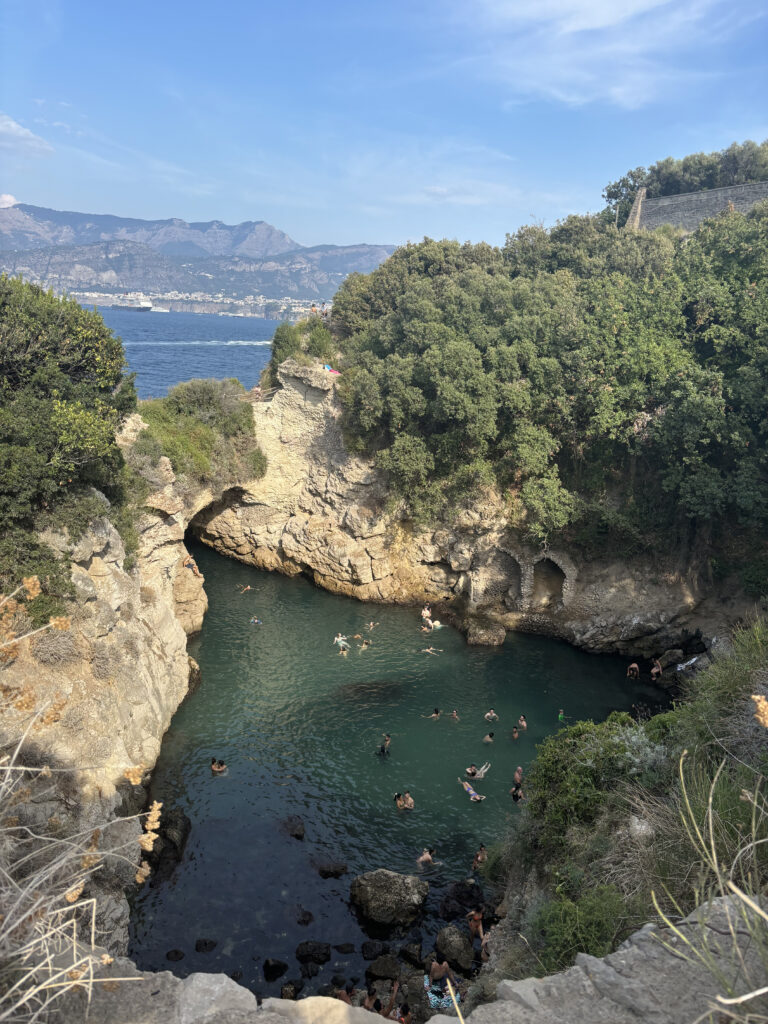
Other ruins include Bagni della Regina Giovanna and Punta del Capo which are the ruins of a Roman Villa (Villa of Pollio Felice) next to the sea which includes a beautiful swimming hole.
The fall of the Roman Empire was due to military losses against the Germanic tribes they had been battling for centuries and these Barbarian invasions made their way down to Naples.
This marked an important shift in history of the Naples area as the largest and longest rule over the land no longer existed.
The following centuries became very politically unsecure as the political sphere continued to get overturned.
The Byzantine Empire – which was the Eastern Roman Empire that survived through the Barbarians – moved into Naples which became a duchy with a duke.
The Normans, Vikings that settled in France and became Christian Crusaders, first arrived in Southern Italy during the High Middle Ages between 1000-1030.
They created the Norman Kingdom of Sicily which expanded into Naples in 1139.
The Kingdom of Sicily broke free from the Normans and expanded its rule into Naples in 1265.
The Spanish Inquisition captured Naples in 1504 to combat heresy and promote Catholicism.
The Spanish turned the pre-existing port of Naples into a large and important military port and by 1600, Naples was the largest city in Europe.
After Spanish rule, the Kingdom of Naples combined with the Kingdom of Sicily in 1816 as their political spheres commonly overlapped. This was known as the Kingdom of Two Sicilies.
During this prosperous period, Sorrento became a popular stop on the Grand Tour: young aristocrats traveled around Europe to complete their education.
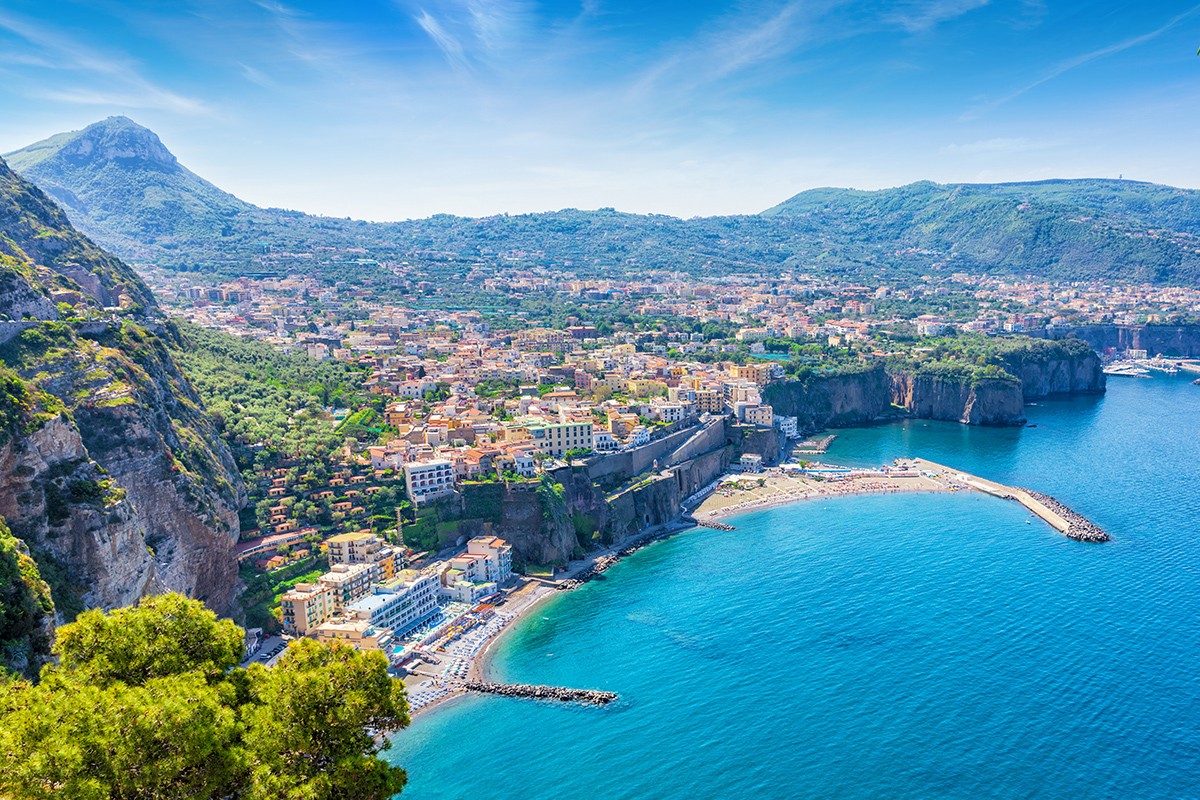
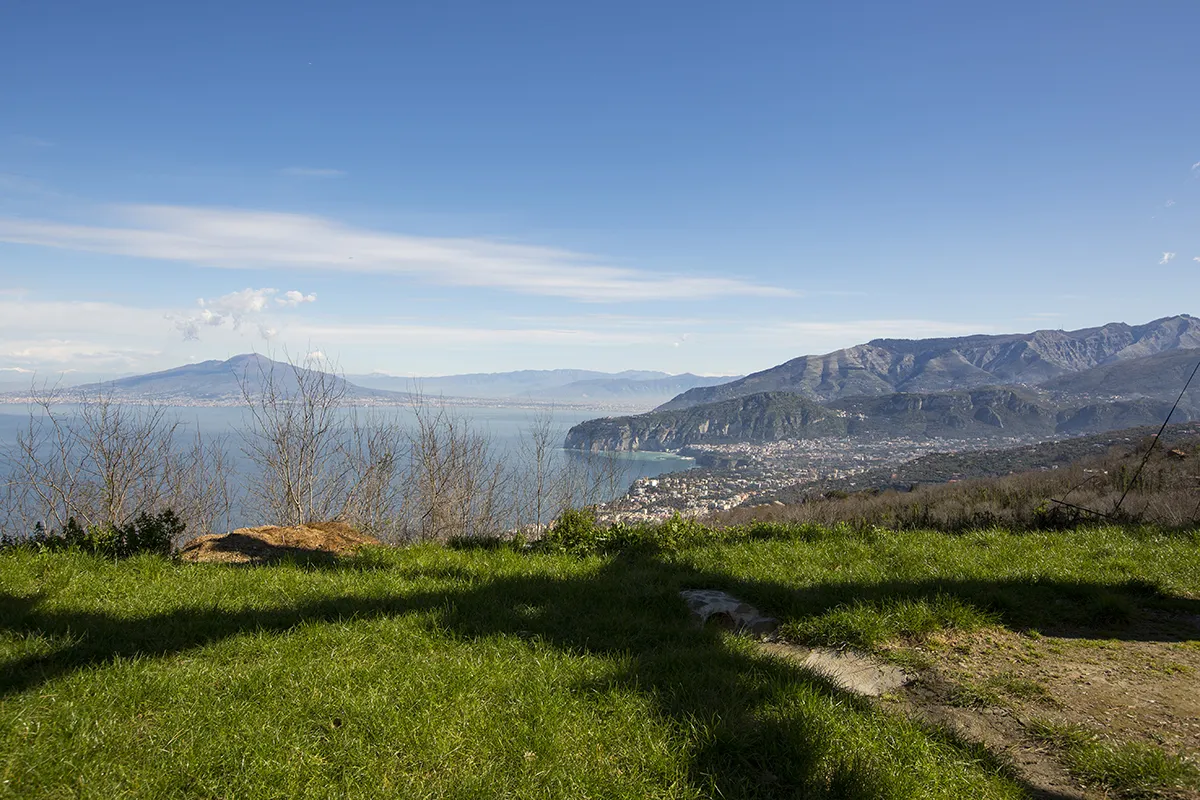
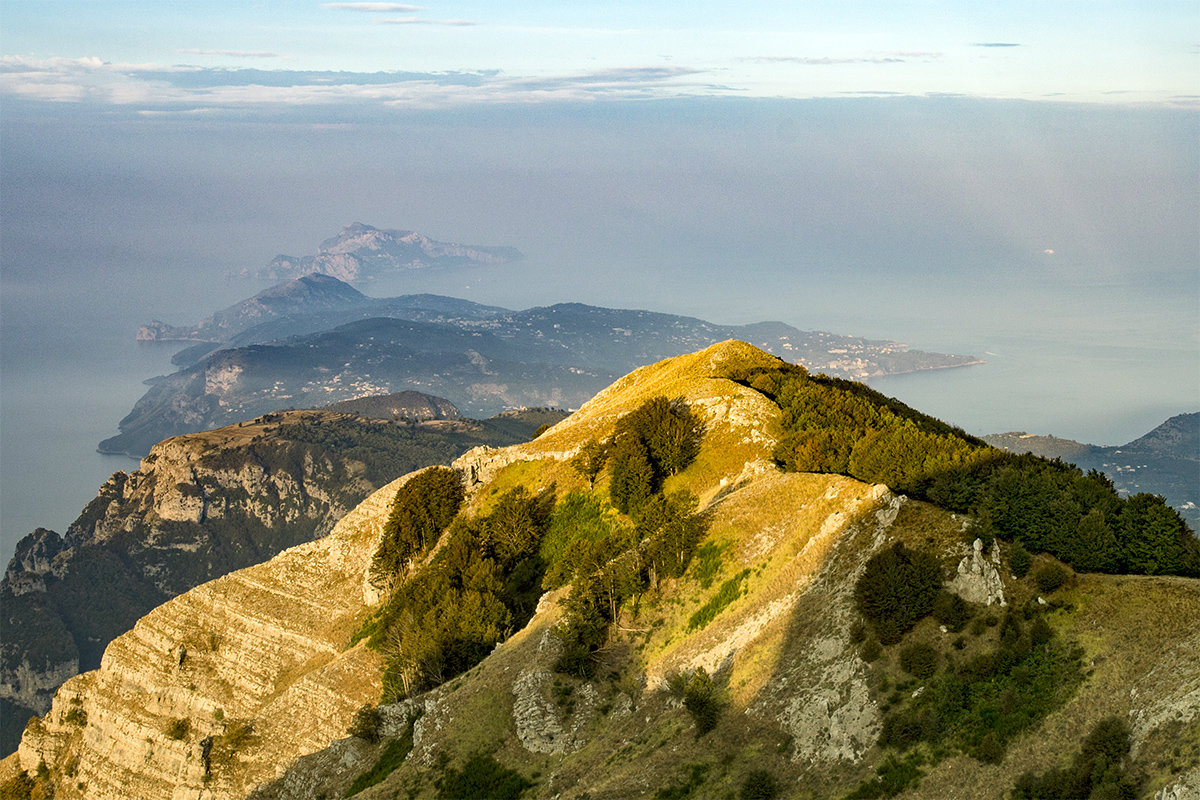
The heartbreaking views of the Sorrento Coast and the quiet life of its people inspired artists, writers and literati for many years.
Byron, Keats, Scott, Dickens, Goethe, Wagner, Ibsen-these are just a few names of the many illustrious people who have made Sorrento their second home.
In 1881 The Kingdom of Italy was founded with the unification of the Italian Peninsula into a single State.
The history of Italy became modern when the current Republic of Italy began in 1946 after the fall of the Fascist regime in Italy after the end of World War II.
Now, Italy is a Democratic Republic with legislative, executive, and judicial subdivisions as well as a head of state, or president.
The many civilizations of the Naples and Sorrento area have given this region a deep historical significance to many political groups and cultures, as well as all of Italy.
This history goes to show just how important this region is and how lucky people are to live here and to freely travel here.
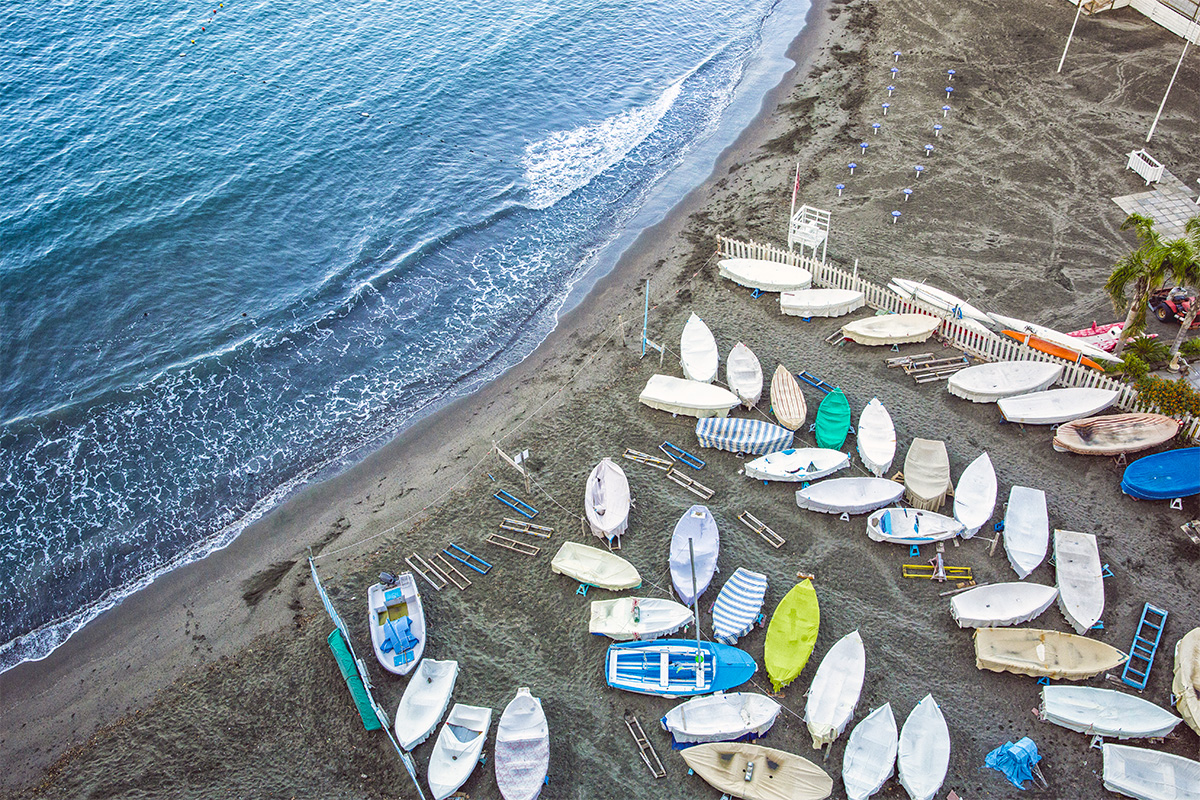
I find it extremely interesting that the beautiful beaches and the sea have always been such a driving factor in the history of settlers in Sorrento because that is still what this city and this peninsula are known for.
Ciao,
Emma
Stai pianificando il tuo viaggio? Scopri dove dormire in Penisola Sorrentina
Esplora le strutture →Newsletter
Ricevi ogni mese il calendario degli eventi e le guide locali
Nessuno spam, solo contenuti utili. Puoi disiscriverti in qualsiasi momento.
Questo sito web utilizza i cookie per migliorare la vostra esperienza durante la navigazione attraverso il sito web. I cookie che vengono classificati come necessari vengono memorizzati sul tuo browser. Questi vengono salvati in quanto sono essenziali per il funzionamento delle funzionalità di base del sito. Utilizziamo anche cookie di terze parti che ci aiutano ad analizzare e capire come utilizzi questo sito. Questi cookie saranno memorizzati nel tuo browser solo con il tuo consenso. Hai anche la possibilità di opt-out di questi cookie. Ma l'esclusione da alcuni di questi cookie può avere un effetto sulla vostra esperienza di navigazione.